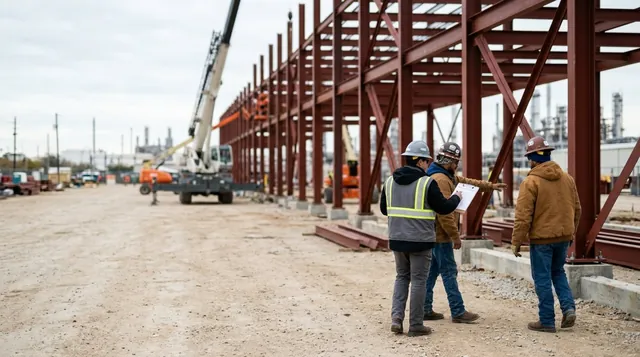

Third-party safety audits help Houston industrial facilities catch OSHA compliance gaps before regulators do, protecting workers and avoiding costly fines.

Houston contractors losing bids over ISNetworld and Avetta scores? Learn how PQF management for Houston contractors keeps you compliant and winning work.
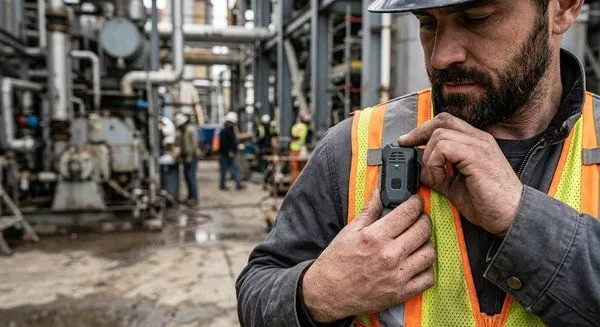
Houston facilities face shifting chemical and heat hazards daily. Learn how industrial hygiene monitoring protects workers and keeps you OSHA-compliant in 2026.

Houston businesses in construction, manufacturing, and energy are turning to fractional HSE directors for executive-level safety leadership without the full-time cost. Learn why this model is reshaping workplace safety in Texas.

Practical health and safety guidance tips for building a safer workplace Houston TX with expert support from Ridgeline Safety Services.

Learn what to expect during an OSHA inspection in Houston TX. Get OSHA compliance support and workplace safety consulting tips for your business today!

Enhance your operations with expert safety consulting. Ridgeline Safety Services helps you build a safer workplace Houston through compliance and training.

Discover how expert witness services support health and safety compliance in Houston, providing trusted guidance for legal cases, audits, and regulatory reviews.

Discover why HSE personnel are vital for maintaining safety standards in Houston workplaces and how they improve compliance and general workplace safety.
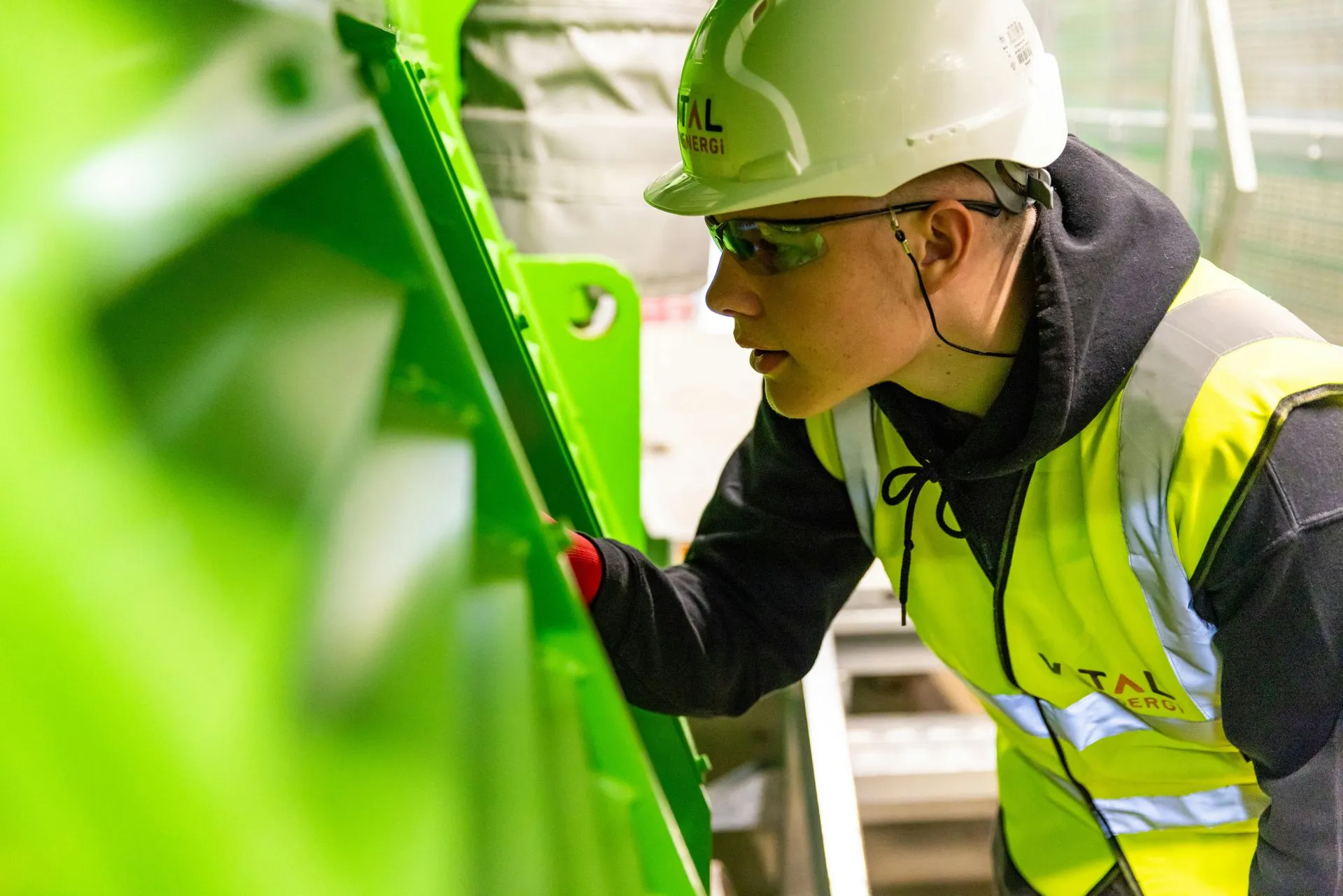
Discover how a safety management system can create a safer workplace Houston businesses trust through better compliance and safety management system guidance!
Third-party safety audits help Houston industrial facilities catch OSHA compliance gaps before regulators do, protecting workers and avoiding costly fines.
Houston contractors losing bids over ISNetworld and Avetta scores? Learn how PQF management for Houston contractors keeps you compliant and winning work.
Houston facilities face shifting chemical and heat hazards daily. Learn how industrial hygiene monitoring protects workers and keeps you OSHA-compliant in 2026.
Houston businesses in construction, manufacturing, and energy are turning to fractional HSE directors for executive-level safety leadership without the full-time cost. Learn why this model is reshaping workplace safety in Texas.
Practical health and safety guidance tips for building a safer workplace Houston TX with expert support from Ridgeline Safety Services.
Learn what to expect during an OSHA inspection in Houston TX. Get OSHA compliance support and workplace safety consulting tips for your business today!
Enhance your operations with expert safety consulting. Ridgeline Safety Services helps you build a safer workplace Houston through compliance and training.
Discover how expert witness services support health and safety compliance in Houston, providing trusted guidance for legal cases, audits, and regulatory reviews.
Discover why HSE personnel are vital for maintaining safety standards in Houston workplaces and how they improve compliance and general workplace safety.
Discover how a safety management system can create a safer workplace Houston businesses trust through better compliance and safety management system guidance!