
Share this article

How a Safety Management System Can Transform a Safer Workplace in Houston

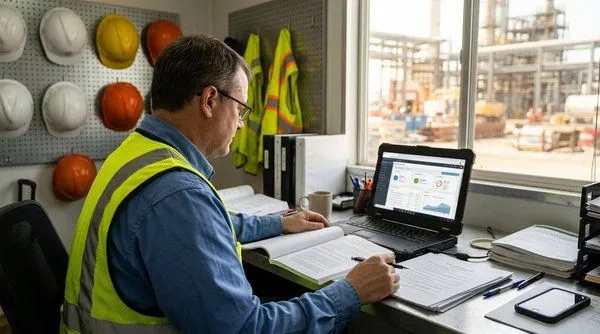
Running a business in Houston means juggling growth, deadlines, weather that keeps you guessing, and a workforce that depends on you to keep them safe. Safety often gets talked about after an incident, not before. That is where a well built safety management system changes everything. Instead of reacting to problems, businesses can prevent them, reduce risk, and create a safer workplace Houston employers can truly be proud of.


A safety management system is not a dusty binder that sits on a shelf collecting coffee stains. It is a living framework that helps organizations identify hazards, train employees, follow regulations, and improve safety performance over time. With proper safety management system guidance, companies in Houston can protect their people while also protecting their bottom line.


Let us break down how a safety management system works, why it matters locally, and how it can transform your workplace into one that runs smoother, safer, and with fewer surprises.

Understanding the Core of a Safety Management System

At its core, a safety management system is a structured approach to managing workplace safety. It brings together policies, procedures, responsibilities, and processes into one organized system. Instead of safety being everyone’s job but no one’s responsibility, it becomes clear, measurable, and actionable.


For Houston businesses, this matters because of the wide range of industries operating here. Construction, energy, manufacturing, logistics, and healthcare all face unique hazards. A strong safety management system adapts to these risks rather than using a one size fits all approach.


A practical system usually includes several key components.

  • Safety policies and leadership commitment: This sets the tone. When leadership treats safety as a priority, employees follow suit. No one cuts corners when they know safety is non-negotiable.
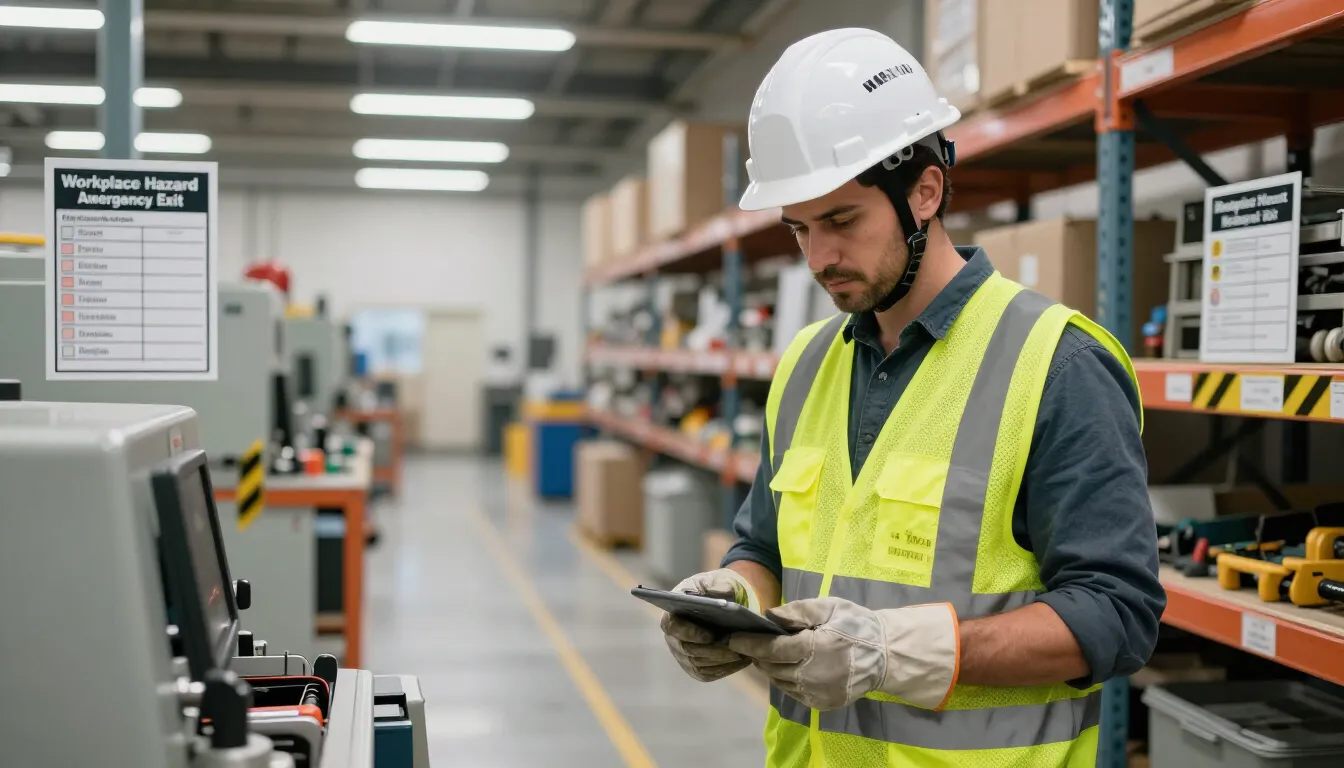
  • Hazard identification and risk assessment: This is where problems are found before someone gets hurt. From slippery floors to heavy equipment risks, hazards are identified and ranked by severity.
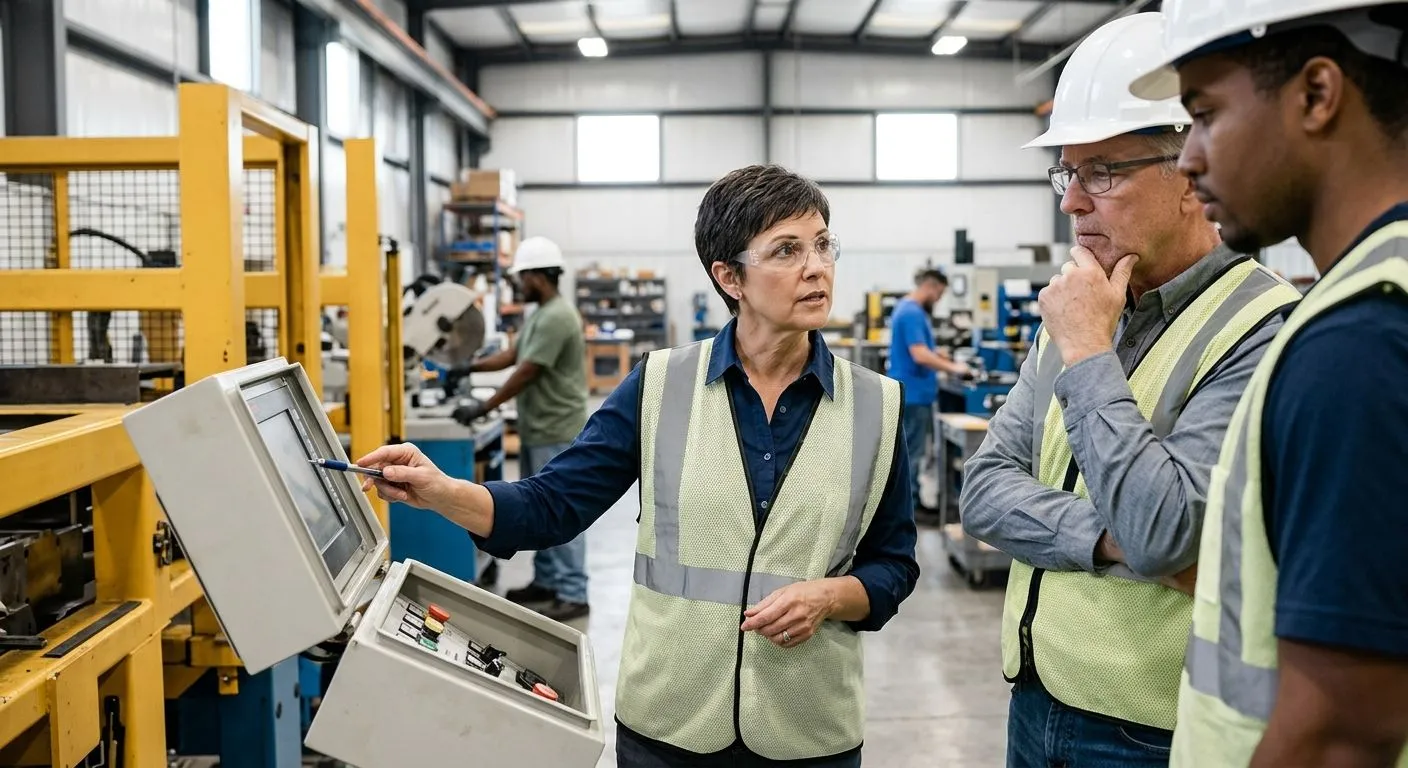
  • Training and communication: Employees cannot follow rules they do not understand. Training keeps everyone informed and engaged, without turning meetings into nap time.
  • Monitoring and continuous improvement: Safety is not set it and forget it. Incidents, near misses, and audits help improve the system over time.

With solid safety management system guidance, Houston employers can move from reacting to accidents to preventing them. That shift alone can save time, money, and more than a few headaches.

Why Houston Workplaces Face Unique Safety Challenges

Houston is not just big. It is busy, fast paced, and industrial. These factors create unique safety challenges that make a formal safety management system even more important.


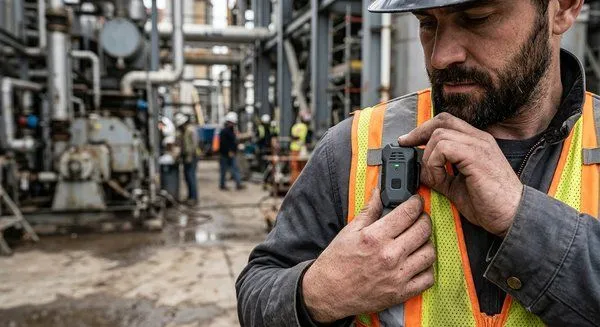
Weather is a big one. Extreme heat can lead to heat stress and fatigue. Heavy rain and flooding increase slip, trip, and vehicle hazards. Then there is the sheer scale of operations across the region, from refineries and ports to high rise construction projects.


A safer workplace Houston companies strive for must account for these realities. That means planning for real world conditions, not just what looks good on paper.


Local businesses also face strict regulatory oversight. OSHA inspections are not rare, and penalties for non compliance can be costly. A safety management system helps organizations stay inspection ready rather than scrambling when an inspector shows up.


Some common Houston workplace risks include:

  • Heat related illnesses during long outdoor shifts
  • Heavy machinery and vehicle traffic
  • Chemical exposure in industrial settings
  • Rapid workforce growth leading to inconsistent training
  • Contractors and subcontractors with varying safety practices

Addressing these challenges without a system in place is like trying to herd cats during rush hour. A safety management system brings structure, clarity, and consistency, making safety manageable instead of overwhelming.

How a Safety Management System Improves Daily Operations

One of the biggest misconceptions about safety programs is that they slow work down. In reality, a strong safety management system often improves efficiency.


When employees know the safest way to do a job, they waste less time figuring things out or fixing mistakes. Clear procedures reduce confusion, and fewer incidents mean fewer disruptions.


Think about how much time is lost after an accident. Investigations, paperwork, downtime, medical visits, and sometimes legal issues all add up. Preventing just one serious incident can save a business weeks of lost productivity.


A safety management system also improves communication. Employees feel more comfortable speaking up about hazards when there is a clear process for reporting concerns. That creates trust and engagement, which are not words usually associated with safety manuals.


Here is how daily operations benefit:

  • Tasks are performed more consistently and safely
  • New employees onboard faster with clear expectations
  • Supervisors spend less time putting out fires
  • Morale improves because people feel protected
  • Leadership gains better visibility into risks and trends

Add a little humor to the mix. Fewer accidents also means fewer awkward safety meetings where everyone stares at the floor wondering who left the ladder unsecured. Prevention is always less uncomfortable than damage control.

Building a Safety First Culture That Actually Sticks

Policies alone do not create a safer workplace. Culture does. A safety management system helps build a culture where safety is part of how work gets done, not an afterthought.


In a true safety culture, employees look out for each other. They report hazards without fear of blame. Supervisors lead by example instead of just enforcing rules.


This cultural shift does not happen overnight, especially in busy Houston operations where deadlines are tight. That is why ongoing safety management system guidance is so important. It keeps safety visible and relevant.


Key elements of a strong safety culture include:

  • Leadership participation in safety meetings and site walks
  • Recognition for safe behavior, not just productivity
  • Clear accountability at every level
  • Open communication about incidents and lessons learned
  • Continuous training that feels practical, not preachy

When safety becomes part of daily conversations, employees stop seeing it as extra work. It becomes the normal way of working. That is when real transformation happens.

Contact Ridgeline Safety Services for Safety Management System Support in Houston

Professional Safety Management System Guidance in Houston, TX

If you are ready to build or improve a safety management system that actually works, Ridgeline Safety Services is here to help. Our team provides professional General Safety Consulting and Services in Houston, TX, tailored to the real world challenges your organization faces. We focus on practical safety management system guidance that supports a safer workplace Houston employers can sustain long term. Call our team today at (281) 415-9960 to get started.


In addition to safety management system development, we also offer OSHA Support and Assistance and Executive HSE Support to help leadership teams stay compliant, confident, and proactive. Whether you need hands on support, expert oversight, or strategic guidance, Ridgeline Safety Services delivers solutions that protect your people and your business.

Frequently asked questions

  • What is a safety management system in simple terms?

    A safety management system is an organized way to manage workplace safety through policies, procedures, training, and continuous improvement.

  • Do small businesses in Houston need a safety management system?

    Yes. Small businesses often face the same risks as larger ones, and a system helps prevent incidents while supporting OSHA compliance.

  • How long does it take to implement a safety management system?

    The timeline depends on company size and complexity, but many organizations see meaningful improvements within a few months.

  • Can a safety management system reduce OSHA citations?

    Yes. Proper documentation, training, and hazard controls help businesses stay compliant and inspection ready.

  • Is a safety management system only for high risk industries?

    No. Any workplace can benefit from structured safety management, from offices to industrial sites.

Recent Posts

Maintain safety standards in Houston
January 8, 2026
Discover why HSE personnel are vital for maintaining safety standards in Houston workplaces and how they improve compliance and general workplace safety.