Share this article

Industrial Hygiene Monitoring for Houston Facilities

Proactive industrial hygiene monitoring catches hazardous exposures before they cause permanent harm. For facilities operating in Houston and Baytown, waiting for a worker to report symptoms is already too late.


Houston's industrial corridor is one of the most chemically active environments in North America. Petrochemical plants, marine port operations, and heavy manufacturing facilities share a common challenge: the air, noise levels, and heat conditions change constantly throughout a shift. A single air sample taken at 7 a.m. tells you almost nothing about what a worker breathes at 2 p.m. That gap is exactly where occupational illness begins.


Ridgeline Safety Services specializes in closing that gap through modern, data-driven industrial hygiene monitoring programs built specifically for the Gulf Coast industrial environment.

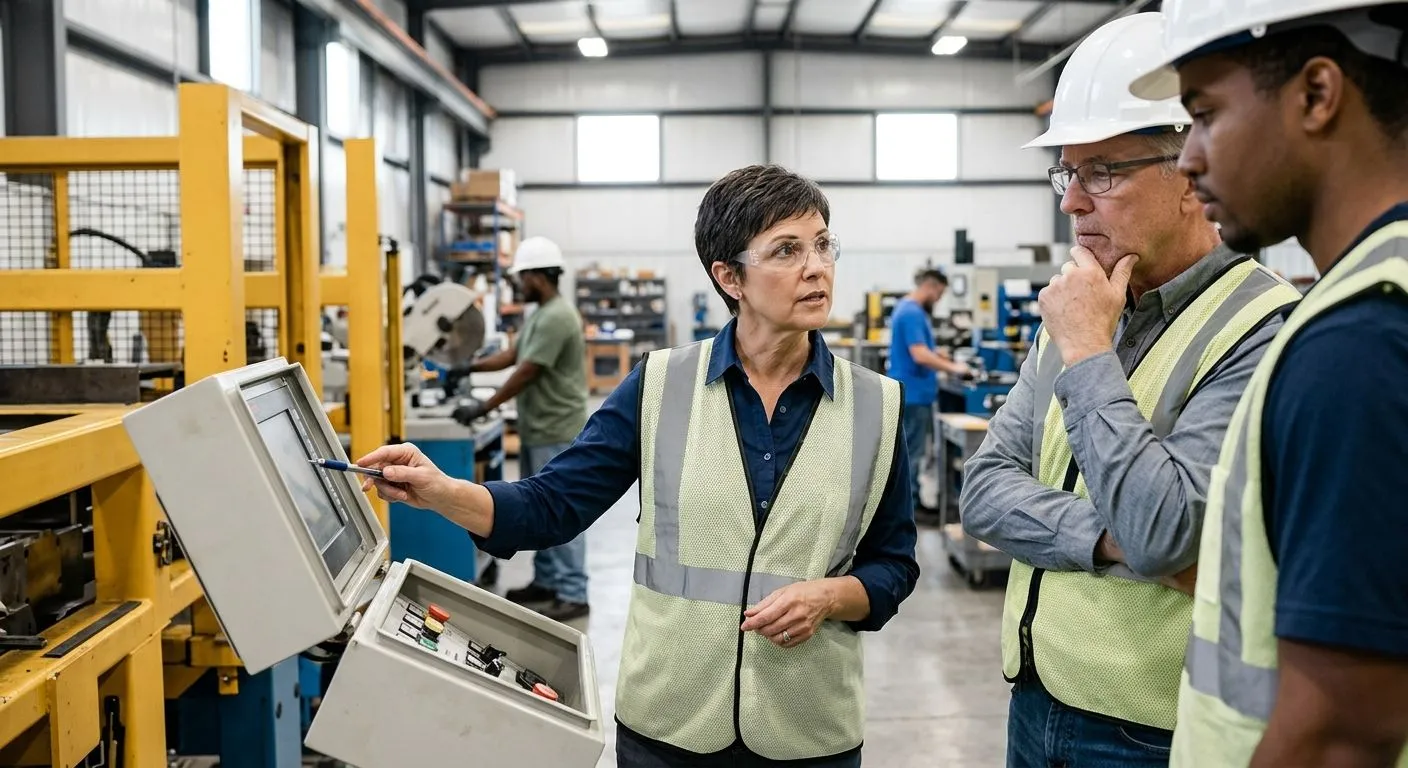
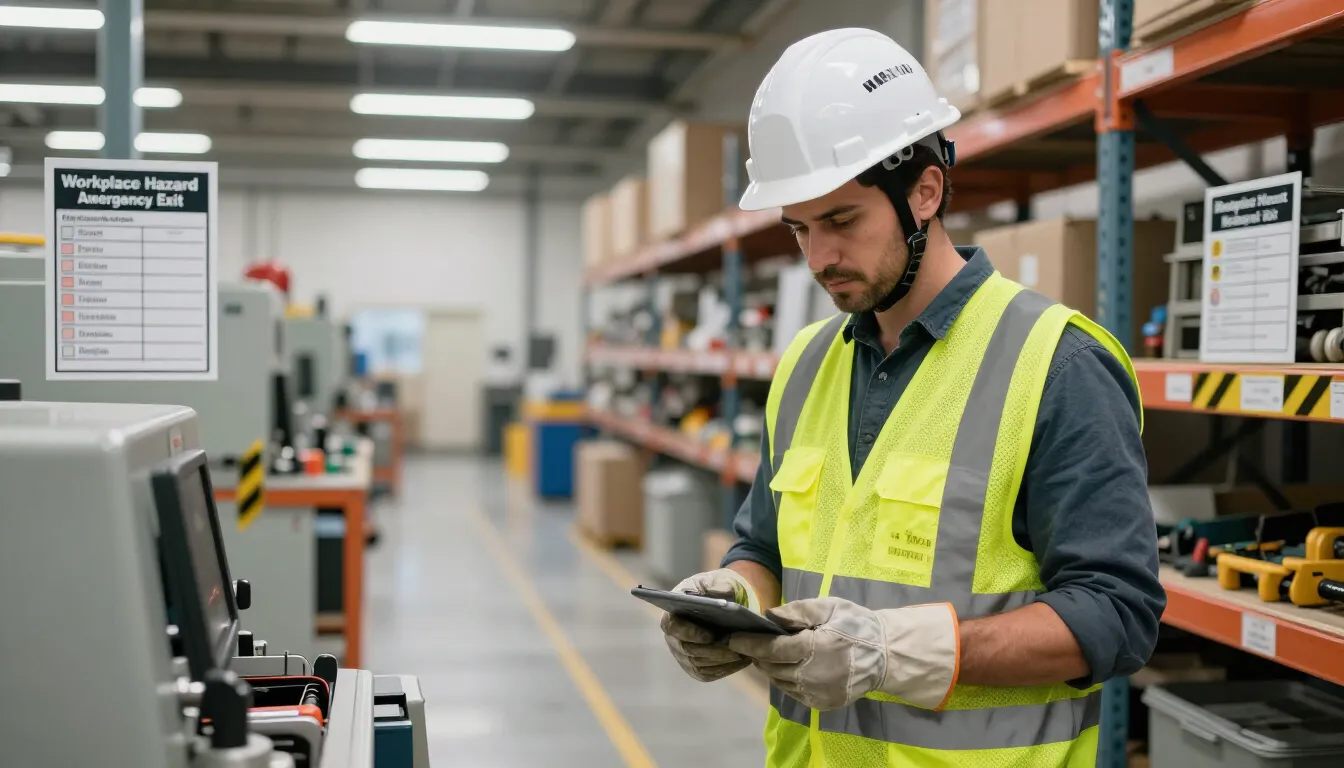
Worker in a hard hat and safety vest using a handheld scanner in a warehouse aisle

Why Traditional "Snapshot" Sampling Falls Short

Traditional industrial hygiene programs rely on a consultant arriving on site, collecting a manual sample, and sending it to a lab. Results return in days or weeks. The process was the industry standard for decades. It is no longer enough.


Houston job sites are dynamic. Wind shifts off Galveston Bay. Process loads fluctuate. A contractor opens a valve on a line that was idle during the morning sample. By the time lab results arrive, workers have already accumulated additional exposure. The snapshot method consistently misses critical spikes.


OSHA's enforcement focus is also shifting. The agency is actively moving away from concentrating only on acute hazards like slips and falls. The priority in 2026 includes chronic, long-term occupational illness prevention, specifically respiratory disease and noise-induced hearing loss. Those conditions develop over months and years of repeated overexposure, not a single dramatic event.


What Modern Industrial Hygiene Monitoring Looks Like

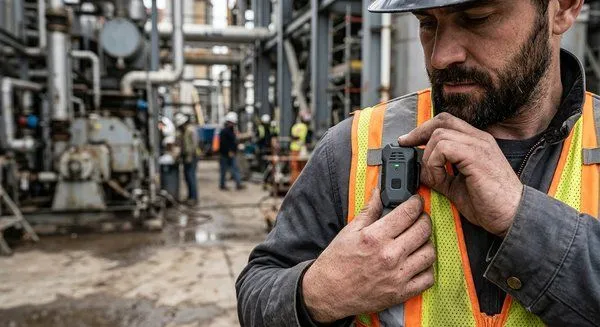
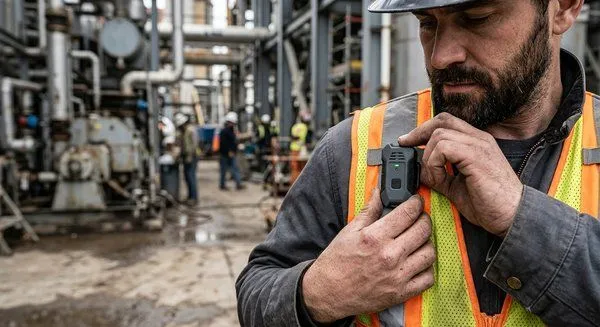
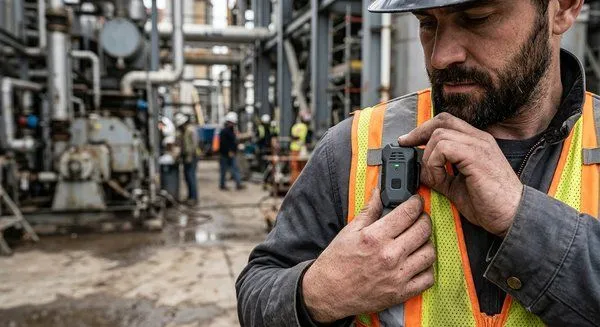
The 2026 approach replaces periodic snapshots with continuous, real-time data streams. Wearable, internet-connected sensors are now small enough to clip onto a hard hat or work vest. They track individual exposure throughout an entire shift.


Key hazards these devices monitor include:

  • Silica dust - a serious concern in construction, demolition, and abrasive blasting work around Houston's aging industrial infrastructure
  • Volatile organic compounds (VOCs) - constantly present in petrochemical and refinery environments
  • Ambient noise levels - relevant in compressor stations, manufacturing floors, and marine terminals
  • Heat stress indicators - critical given Houston's brutal combination of high summer temperatures and humidity


Instead of a single data point, your safety team now has a continuous log for every exposed worker, every shift. That data is defensible in a workers' compensation claim. It also pinpoints exactly when and where exposures peak, so engineering controls can be applied precisely.


The Heat Stress Component Cannot Be Ignored

Houston summers do not need an introduction. What does need more attention is the formal documentation requirement that now accompanies heat stress compliance.


Federal regulations in 2026 require employers to maintain active, written heat-stress action plans. These plans must include structured acclimatization protocols for new and returning workers, designated shade areas, hydration schedules, and physiological monitoring. Wearable sensors that track core body temperature indicators feed directly into that monitoring requirement.


Facilities that rely on informal "drink water and take a break" policies are now exposed to OSHA citations. Serious violation fines start at $16,550. Willful or repeat violations exceed $165,000. Written documentation and continuous monitoring data are your evidence of a functioning program.


Industrial Hygiene Monitoring Protects More Than Workers

The benefits run beyond protecting individual employees.


A well-documented IH monitoring program:

  1. Reduces workers' compensation liability by creating defensible exposure records that clarify when and how a condition developed
  2. Supports regulatory compliance by providing the continuous data logs OSHA inspectors increasingly expect during field visits
  3. Informs engineering controls by identifying exactly which processes, locations, or time windows generate the highest exposures
  4. Strengthens your safety ratings on prequalification platforms like ISNetworld and Avetta, where documented IH programs factor into vendor scoring


In Baytown and along the Houston Ship Channel, large operators require subcontractors to demonstrate robust health and safety programs before awarding contracts. A modern IH monitoring program is evidence of that commitment.


Transitioning from Reactive to Proactive: Where to Start

Many facilities recognize the gap between their current snapshot-based IH program and what is now expected. Closing that gap does not require replacing everything at once.


A practical starting point:

  • Conduct a baseline exposure assessment to identify your highest-risk job tasks and locations
  • Identify which hazards (silica, VOCs, noise, heat) require continuous versus periodic monitoring based on process activity
  • Integrate wearable monitoring technology for workers in highest-exposure roles first
  • Build documentation protocols so exposure data is captured, stored, and accessible for both internal reviews and external audits
  • Review findings quarterly and adjust engineering or administrative controls based on real data trends


Ridgeline brings the expertise to design and execute each of these steps for Houston-area facilities of any size.

Frequently Asked Questions

  • What is industrial hygiene monitoring and why does it matter in 2026?

    Industrial hygiene monitoring is the systematic assessment and tracking of workplace exposures to chemical, physical, and biological hazards. In 2026, OSHA's enforcement focus has expanded to include chronic occupational illness, making continuous monitoring more important than periodic sampling alone.

  • What types of hazards does industrial hygiene monitoring cover?

    Monitoring programs address silica dust, VOCs, noise, and heat stress, among other hazards. The specific scope depends on your facility's processes and the job tasks your workers perform on a daily basis.

  • How is real-time wearable monitoring different from traditional air sampling?

    Traditional sampling provides a single measurement at one point in time. Wearable sensors generate continuous, shift-long exposure data for individual workers, capturing spikes that scheduled sampling routinely misses.

  • Can an IH monitoring program help with prequalification ratings?

    Yes. Documented industrial hygiene programs contribute positively to vendor scores on platforms like ISNetworld and Avetta. Hiring clients view a functioning IH program as evidence of a mature, proactive safety culture.

  • Do Houston facilities legally need a heat stress monitoring plan?

    Federal regulations now require written heat-stress action plans for employers in industries with outdoor or high-heat work environments. Houston's climate makes this a practical necessity regardless of regulatory requirements.

Protecting your workforce from long-term occupational illness starts with better data. If your facility is ready to move from reactive sampling to continuous, defensible exposure monitoring, reach out to Ridgeline Safety Services to schedule a consultation.

Recent Posts

Fractional HSE Director Houston
July 9, 2026
Houston businesses in construction, manufacturing, and energy are turning to fractional HSE directors for executive-level safety leadership without the full-time cost. Learn why this model is reshaping workplace safety in Texas.
June 23, 2026
Practical health and safety guidance tips for building a safer workplace Houston TX with expert support from Ridgeline Safety Services.

OSHA inspection in Houston TX
May 14, 2026
Learn what to expect during an OSHA inspection in Houston TX. Get OSHA compliance support and workplace safety consulting tips for your business today!

February 13, 2026
Enhance your operations with expert safety consulting. Ridgeline Safety Services helps you build a safer workplace Houston through compliance and training.
expert witness services
January 19, 2026
Discover how expert witness services support health and safety compliance in Houston, providing trusted guidance for legal cases, audits, and regulatory reviews.

Maintain safety standards in Houston
January 8, 2026
Discover why HSE personnel are vital for maintaining safety standards in Houston workplaces and how they improve compliance and general workplace safety.
safety management system Houston
December 20, 2025
Discover how a safety management system can create a safer workplace Houston businesses trust through better compliance and safety management system guidance!