



Share this article

Why Third-Party Safety Audits Matter in Houston

Third-party safety audits catch the compliance gaps that internal teams often miss, giving Houston facilities a chance to fix problems before OSHA finds them first. That distinction matters more than ever as federal enforcement grows sharper and penalties grow steeper across the Gulf Coast.


Houston's industrial base runs hot, literally and figuratively. Petrochemical plants, refineries, construction sites, and manufacturing floors operate under constant pressure to stay productive while staying compliant. When internal safety reviews become routine box-checking, real hazards slip through unnoticed.

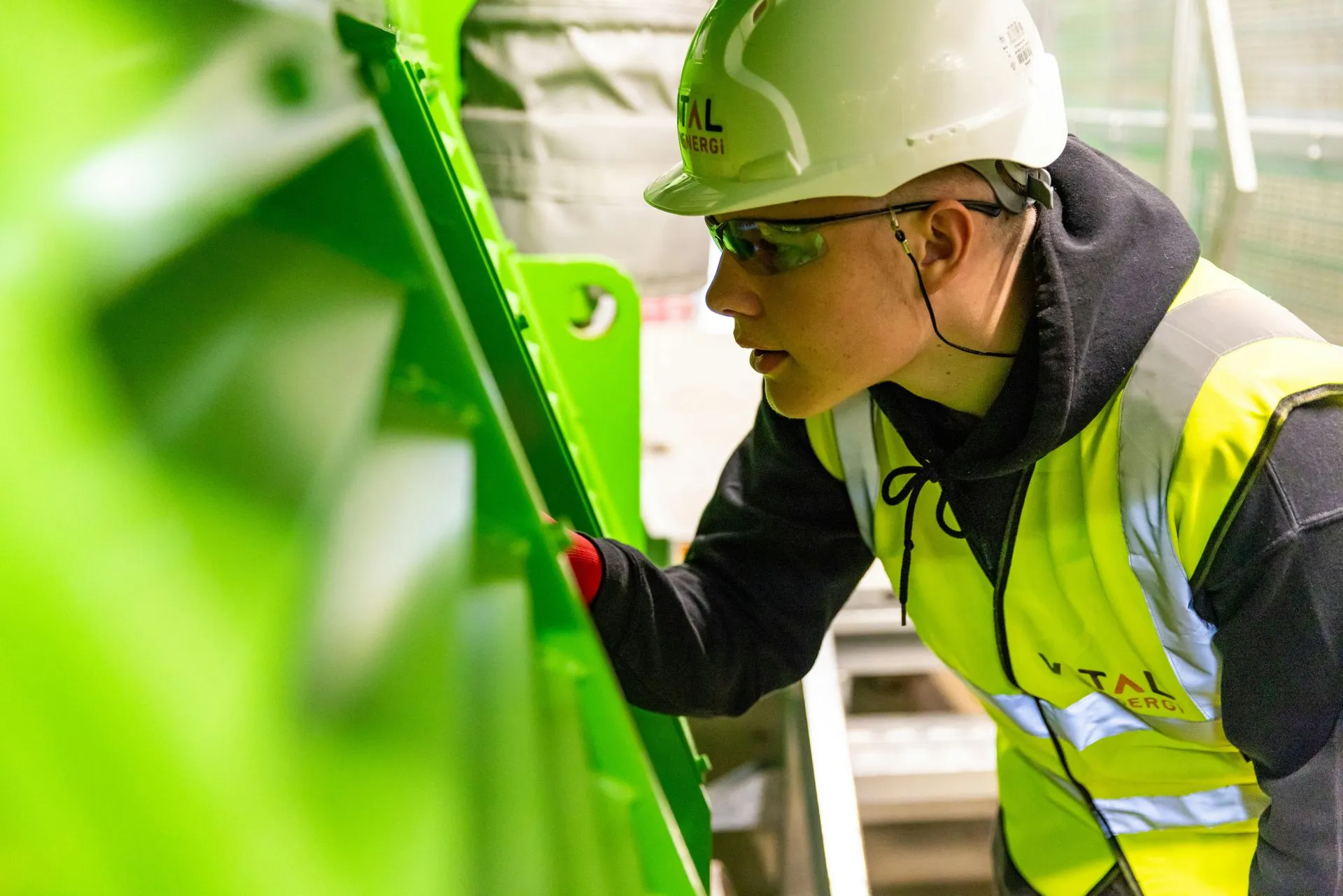
Third-party safety audits in progress at a Houston industrial facility yard during a routine compliance inspection.

Why Internal Checklists Aren't Enough Anymore

Most facilities already run some form of internal safety review. The problem is familiarity breeds blind spots. Employees who walk the same floor every day stop seeing the frayed cable or the mislabeled container.


Federal OSHA has shifted its posture in recent years, moving from reactive inspections toward aggressive, predictive enforcement. That shift landed hard on the Houston region in 2026. The U.S. Department of Labor proposed more than $3.5 million in fines against three employers. The fines followed cleanup operations after a chemical spill at an industrial facility in the metro area. The citations centered on failures to protect workers during emergency and post-emergency response.


That case is a warning sign for every industrial employer in the region. Emergency protocols, PPE readiness, and incident response plans need outside scrutiny, not just an annual internal sign-off.

What Third-Party Safety Audits Actually Uncover

An outside auditor looks at a facility with fresh eyes and no institutional blind spots.


The process typically surfaces issues that get overlooked during day-to-day operations, including:


  • Gaps in written emergency response and post-incident procedures
  • Outdated or incomplete Hazard Communication (HazCom) labeling and training records
  • Inconsistent PPE enforcement across shifts or contractor crews
  • Documentation gaps that would trigger citations during an actual OSHA inspection
  • Heat-related illness prevention measures that don't hold up under scrutiny, a real concern given Houston's long, humid stretch of warm weather even into October


Each of these areas ties directly to active enforcement priorities. Facilities that treat audits as a formality rather than a genuine risk assessment tend to discover problems only after regulators do.

The Cost of Waiting for OSHA to Find It First

Fines are only part of the fallout. A citation triggers follow-up inspections, reputational damage with clients and insurers, and sometimes work stoppages that cost far more than the penalty itself.


Houston's regulatory environment isn't easing up. Updated HazCom rules and heat-stress oversight are pushing facilities to overhaul written programs on tighter timelines. Waiting until an incident forces a review is a costly way to find out your documentation wasn't current.


A proactive audit schedule catches these issues while they're still cheap to fix. It's the difference between a corrective action plan and a federal citation with your company's name attached.

How Ridgeline Approaches Third-Party Audits

Ridgeline Safety Services built its audit process around real conditions. Houston and Baytown facilities face tight production schedules, contractor turnover, and regulatory pressure that never lets up. Clients consistently point to the practical, no-nonsense approach as the reason they keep coming back for repeat reviews rather than one-time inspections.


The process isn't about generating a stack of paperwork nobody reads. It's about identifying specific, actionable gaps and helping facilities close them before those gaps become citations. That includes reviewing emergency response documentation, verifying training records, and checking that written programs reflect current federal requirements.


Facilities that pair third-party safety audits with ongoing OSHA support and program development tend to stay ahead of enforcement trends. They rarely have to scramble and react later.

Getting Started: What to Expect

Bringing in an outside auditor doesn't need to disrupt operations.

A well-run audit typically follows a straightforward sequence:

  1. Initial document review covering written programs, training logs, and prior inspection history
  2. On-site walkthrough to observe actual conditions and practices, not just paper compliance
  3. Interviews with site supervisors and workers to identify gaps between policy and practice
  4. A findings report ranked by urgency, so leadership knows what to fix first
  5. Follow-up support to verify corrective actions actually close the identified gaps


This structure gives facility managers a clear roadmap instead of a vague list of concerns. It also creates a documented history of proactive compliance efforts, which carries weight if regulators ever come calling.

Frequently Asked Questions

  • How often should a Houston industrial facility schedule a third-party audit?

    Most high-hazard facilities benefit from an annual review at minimum, with additional audits before major turnarounds, after incidents, or when new regulations take effect.

  • Does a third-party audit replace the need for internal safety inspections?

    No. Internal inspections should continue as a daily and weekly practice. Third-party audits add an objective layer of review that catches what routine internal checks tend to miss.

  • Will an audit slow down our production schedule?

    A well-planned audit is designed to work around active operations. Document review and interviews can often happen without halting production lines.

  • What happens if the audit finds serious violations?

    Findings get prioritized by urgency, giving your team a clear action plan. Addressing serious issues quickly, with documentation of the corrective steps, also demonstrates good faith if OSHA ever conducts its own inspection.

  • Can third-party audits help with contractor compliance on multi-employer job sites?

    Yes. Audits frequently review contractor documentation and practices alongside your own workforce, which matters on sites where multiple employers share responsibility for safety outcomes.

Facilities across Houston and Baytown face more scrutiny than ever. Waiting for a citation is an expensive way to learn where your program falls short. Reach out to Ridgeline Safety Services to schedule a third-party audit and find out where your facility stands before regulators do.

Recent Posts

PQF management for Houston contractors
September 7, 2026
Houston contractors losing bids over ISNetworld and Avetta scores? Learn how PQF management for Houston contractors keeps you compliant and winning work.
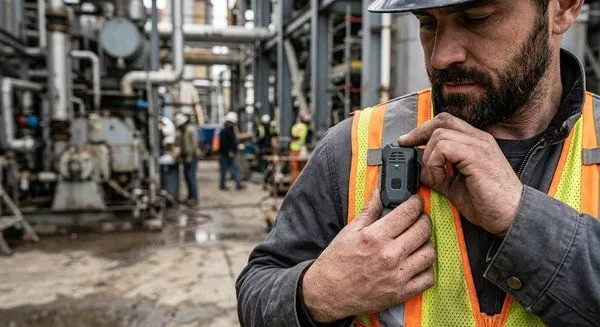
industrial hygiene monitoring
August 10, 2026
Houston facilities face shifting chemical and heat hazards daily. Learn how industrial hygiene monitoring protects workers and keeps you OSHA-compliant in 2026.

Fractional HSE Director Houston
July 9, 2026
Houston businesses in construction, manufacturing, and energy are turning to fractional HSE directors for executive-level safety leadership without the full-time cost. Learn why this model is reshaping workplace safety in Texas.

Worker in a hard hat and safety vest using a handheld scanner in a warehouse aisle
June 23, 2026
Practical health and safety guidance tips for building a safer workplace Houston TX with expert support from Ridgeline Safety Services.

OSHA inspection in Houston TX
May 14, 2026
Learn what to expect during an OSHA inspection in Houston TX. Get OSHA compliance support and workplace safety consulting tips for your business today!

the role of safety consulting in Houston workplace
February 13, 2026
Enhance your operations with expert safety consulting. Ridgeline Safety Services helps you build a safer workplace Houston through compliance and training.
expert witness services
January 19, 2026
Discover how expert witness services support health and safety compliance in Houston, providing trusted guidance for legal cases, audits, and regulatory reviews.

Maintain safety standards in Houston
January 8, 2026
Discover why HSE personnel are vital for maintaining safety standards in Houston workplaces and how they improve compliance and general workplace safety.
safety management system Houston
December 20, 2025
Discover how a safety management system can create a safer workplace Houston businesses trust through better compliance and safety management system guidance!

PQF management for Houston contractors
September 7, 2026
Houston contractors losing bids over ISNetworld and Avetta scores? Learn how PQF management for Houston contractors keeps you compliant and winning work.
industrial hygiene monitoring
August 10, 2026
Houston facilities face shifting chemical and heat hazards daily. Learn how industrial hygiene monitoring protects workers and keeps you OSHA-compliant in 2026.
Fractional HSE Director Houston
July 9, 2026
Houston businesses in construction, manufacturing, and energy are turning to fractional HSE directors for executive-level safety leadership without the full-time cost. Learn why this model is reshaping workplace safety in Texas.
Worker in a hard hat and safety vest using a handheld scanner in a warehouse aisle
June 23, 2026
Practical health and safety guidance tips for building a safer workplace Houston TX with expert support from Ridgeline Safety Services.
OSHA inspection in Houston TX
May 14, 2026
Learn what to expect during an OSHA inspection in Houston TX. Get OSHA compliance support and workplace safety consulting tips for your business today!
the role of safety consulting in Houston workplace
February 13, 2026
Enhance your operations with expert safety consulting. Ridgeline Safety Services helps you build a safer workplace Houston through compliance and training.
expert witness services
January 19, 2026
Discover how expert witness services support health and safety compliance in Houston, providing trusted guidance for legal cases, audits, and regulatory reviews.
Maintain safety standards in Houston
January 8, 2026
Discover why HSE personnel are vital for maintaining safety standards in Houston workplaces and how they improve compliance and general workplace safety.
safety management system Houston
December 20, 2025
Discover how a safety management system can create a safer workplace Houston businesses trust through better compliance and safety management system guidance!


Share this article

Why Third-Party Safety Audits Matter in Houston

Third-party safety audits catch the compliance gaps that internal teams often miss, giving Houston facilities a chance to fix problems before OSHA finds them first. That distinction matters more than ever as federal enforcement grows sharper and penalties grow steeper across the Gulf Coast.


Houston's industrial base runs hot, literally and figuratively. Petrochemical plants, refineries, construction sites, and manufacturing floors operate under constant pressure to stay productive while staying compliant. When internal safety reviews become routine box-checking, real hazards slip through unnoticed.

Third-party safety audits in progress at a Houston industrial facility yard during a routine compliance inspection.

Why Internal Checklists Aren't Enough Anymore

Most facilities already run some form of internal safety review. The problem is familiarity breeds blind spots. Employees who walk the same floor every day stop seeing the frayed cable or the mislabeled container.


Federal OSHA has shifted its posture in recent years, moving from reactive inspections toward aggressive, predictive enforcement. That shift landed hard on the Houston region in 2026. The U.S. Department of Labor proposed more than $3.5 million in fines against three employers. The fines followed cleanup operations after a chemical spill at an industrial facility in the metro area. The citations centered on failures to protect workers during emergency and post-emergency response.


That case is a warning sign for every industrial employer in the region. Emergency protocols, PPE readiness, and incident response plans need outside scrutiny, not just an annual internal sign-off.

What Third-Party Safety Audits Actually Uncover

An outside auditor looks at a facility with fresh eyes and no institutional blind spots.


The process typically surfaces issues that get overlooked during day-to-day operations, including:


  • Gaps in written emergency response and post-incident procedures
  • Outdated or incomplete Hazard Communication (HazCom) labeling and training records
  • Inconsistent PPE enforcement across shifts or contractor crews
  • Documentation gaps that would trigger citations during an actual OSHA inspection
  • Heat-related illness prevention measures that don't hold up under scrutiny, a real concern given Houston's long, humid stretch of warm weather even into October


Each of these areas ties directly to active enforcement priorities. Facilities that treat audits as a formality rather than a genuine risk assessment tend to discover problems only after regulators do.

The Cost of Waiting for OSHA to Find It First

Fines are only part of the fallout. A citation triggers follow-up inspections, reputational damage with clients and insurers, and sometimes work stoppages that cost far more than the penalty itself.


Houston's regulatory environment isn't easing up. Updated HazCom rules and heat-stress oversight are pushing facilities to overhaul written programs on tighter timelines. Waiting until an incident forces a review is a costly way to find out your documentation wasn't current.


A proactive audit schedule catches these issues while they're still cheap to fix. It's the difference between a corrective action plan and a federal citation with your company's name attached.

How Ridgeline Approaches Third-Party Audits

Ridgeline Safety Services built its audit process around real conditions. Houston and Baytown facilities face tight production schedules, contractor turnover, and regulatory pressure that never lets up. Clients consistently point to the practical, no-nonsense approach as the reason they keep coming back for repeat reviews rather than one-time inspections.


The process isn't about generating a stack of paperwork nobody reads. It's about identifying specific, actionable gaps and helping facilities close them before those gaps become citations. That includes reviewing emergency response documentation, verifying training records, and checking that written programs reflect current federal requirements.


Facilities that pair third-party safety audits with ongoing OSHA support and program development tend to stay ahead of enforcement trends. They rarely have to scramble and react later.

Getting Started: What to Expect

Bringing in an outside auditor doesn't need to disrupt operations.

A well-run audit typically follows a straightforward sequence:

  1. Initial document review covering written programs, training logs, and prior inspection history
  2. On-site walkthrough to observe actual conditions and practices, not just paper compliance
  3. Interviews with site supervisors and workers to identify gaps between policy and practice
  4. A findings report ranked by urgency, so leadership knows what to fix first
  5. Follow-up support to verify corrective actions actually close the identified gaps


This structure gives facility managers a clear roadmap instead of a vague list of concerns. It also creates a documented history of proactive compliance efforts, which carries weight if regulators ever come calling.

Frequently Asked Questions

  • How often should a Houston industrial facility schedule a third-party audit?

    Most high-hazard facilities benefit from an annual review at minimum, with additional audits before major turnarounds, after incidents, or when new regulations take effect.

  • Does a third-party audit replace the need for internal safety inspections?

    No. Internal inspections should continue as a daily and weekly practice. Third-party audits add an objective layer of review that catches what routine internal checks tend to miss.

  • Will an audit slow down our production schedule?

    A well-planned audit is designed to work around active operations. Document review and interviews can often happen without halting production lines.

  • What happens if the audit finds serious violations?

    Findings get prioritized by urgency, giving your team a clear action plan. Addressing serious issues quickly, with documentation of the corrective steps, also demonstrates good faith if OSHA ever conducts its own inspection.

  • Can third-party audits help with contractor compliance on multi-employer job sites?

    Yes. Audits frequently review contractor documentation and practices alongside your own workforce, which matters on sites where multiple employers share responsibility for safety outcomes.

Facilities across Houston and Baytown face more scrutiny than ever. Waiting for a citation is an expensive way to learn where your program falls short. Reach out to Ridgeline Safety Services to schedule a third-party audit and find out where your facility stands before regulators do.

Recent Posts

PQF management for Houston contractors
September 7, 2026
Houston contractors losing bids over ISNetworld and Avetta scores? Learn how PQF management for Houston contractors keeps you compliant and winning work.
industrial hygiene monitoring
August 10, 2026
Houston facilities face shifting chemical and heat hazards daily. Learn how industrial hygiene monitoring protects workers and keeps you OSHA-compliant in 2026.
Fractional HSE Director Houston
July 9, 2026
Houston businesses in construction, manufacturing, and energy are turning to fractional HSE directors for executive-level safety leadership without the full-time cost. Learn why this model is reshaping workplace safety in Texas.
Worker in a hard hat and safety vest using a handheld scanner in a warehouse aisle
June 23, 2026
Practical health and safety guidance tips for building a safer workplace Houston TX with expert support from Ridgeline Safety Services.
OSHA inspection in Houston TX
May 14, 2026
Learn what to expect during an OSHA inspection in Houston TX. Get OSHA compliance support and workplace safety consulting tips for your business today!
the role of safety consulting in Houston workplace
February 13, 2026
Enhance your operations with expert safety consulting. Ridgeline Safety Services helps you build a safer workplace Houston through compliance and training.
expert witness services
January 19, 2026
Discover how expert witness services support health and safety compliance in Houston, providing trusted guidance for legal cases, audits, and regulatory reviews.
Maintain safety standards in Houston
January 8, 2026
Discover why HSE personnel are vital for maintaining safety standards in Houston workplaces and how they improve compliance and general workplace safety.
safety management system Houston
December 20, 2025
Discover how a safety management system can create a safer workplace Houston businesses trust through better compliance and safety management system guidance!

Share this article

Why Third-Party Safety Audits Matter in Houston

Third-party safety audits catch the compliance gaps that internal teams often miss, giving Houston facilities a chance to fix problems before OSHA finds them first. That distinction matters more than ever as federal enforcement grows sharper and penalties grow steeper across the Gulf Coast.


Houston's industrial base runs hot, literally and figuratively. Petrochemical plants, refineries, construction sites, and manufacturing floors operate under constant pressure to stay productive while staying compliant. When internal safety reviews become routine box-checking, real hazards slip through unnoticed.

Third-party safety audits in progress at a Houston industrial facility yard during a routine compliance inspection.

Why Internal Checklists Aren't Enough Anymore

Most facilities already run some form of internal safety review. The problem is familiarity breeds blind spots. Employees who walk the same floor every day stop seeing the frayed cable or the mislabeled container.


Federal OSHA has shifted its posture in recent years, moving from reactive inspections toward aggressive, predictive enforcement. That shift landed hard on the Houston region in 2026. The U.S. Department of Labor proposed more than $3.5 million in fines against three employers. The fines followed cleanup operations after a chemical spill at an industrial facility in the metro area. The citations centered on failures to protect workers during emergency and post-emergency response.


That case is a warning sign for every industrial employer in the region. Emergency protocols, PPE readiness, and incident response plans need outside scrutiny, not just an annual internal sign-off.

What Third-Party Safety Audits Actually Uncover

An outside auditor looks at a facility with fresh eyes and no institutional blind spots.


The process typically surfaces issues that get overlooked during day-to-day operations, including:


  • Gaps in written emergency response and post-incident procedures
  • Outdated or incomplete Hazard Communication (HazCom) labeling and training records
  • Inconsistent PPE enforcement across shifts or contractor crews
  • Documentation gaps that would trigger citations during an actual OSHA inspection
  • Heat-related illness prevention measures that don't hold up under scrutiny, a real concern given Houston's long, humid stretch of warm weather even into October


Each of these areas ties directly to active enforcement priorities. Facilities that treat audits as a formality rather than a genuine risk assessment tend to discover problems only after regulators do.

The Cost of Waiting for OSHA to Find It First

Fines are only part of the fallout. A citation triggers follow-up inspections, reputational damage with clients and insurers, and sometimes work stoppages that cost far more than the penalty itself.


Houston's regulatory environment isn't easing up. Updated HazCom rules and heat-stress oversight are pushing facilities to overhaul written programs on tighter timelines. Waiting until an incident forces a review is a costly way to find out your documentation wasn't current.


A proactive audit schedule catches these issues while they're still cheap to fix. It's the difference between a corrective action plan and a federal citation with your company's name attached.

How Ridgeline Approaches Third-Party Audits

Ridgeline Safety Services built its audit process around real conditions. Houston and Baytown facilities face tight production schedules, contractor turnover, and regulatory pressure that never lets up. Clients consistently point to the practical, no-nonsense approach as the reason they keep coming back for repeat reviews rather than one-time inspections.


The process isn't about generating a stack of paperwork nobody reads. It's about identifying specific, actionable gaps and helping facilities close them before those gaps become citations. That includes reviewing emergency response documentation, verifying training records, and checking that written programs reflect current federal requirements.


Facilities that pair third-party safety audits with ongoing OSHA support and program development tend to stay ahead of enforcement trends. They rarely have to scramble and react later.

Getting Started: What to Expect

Bringing in an outside auditor doesn't need to disrupt operations.

A well-run audit typically follows a straightforward sequence:

  1. Initial document review covering written programs, training logs, and prior inspection history
  2. On-site walkthrough to observe actual conditions and practices, not just paper compliance
  3. Interviews with site supervisors and workers to identify gaps between policy and practice
  4. A findings report ranked by urgency, so leadership knows what to fix first
  5. Follow-up support to verify corrective actions actually close the identified gaps


This structure gives facility managers a clear roadmap instead of a vague list of concerns. It also creates a documented history of proactive compliance efforts, which carries weight if regulators ever come calling.

Frequently Asked Questions

  • How often should a Houston industrial facility schedule a third-party audit?

    Most high-hazard facilities benefit from an annual review at minimum, with additional audits before major turnarounds, after incidents, or when new regulations take effect.

  • Does a third-party audit replace the need for internal safety inspections?

    No. Internal inspections should continue as a daily and weekly practice. Third-party audits add an objective layer of review that catches what routine internal checks tend to miss.

  • Will an audit slow down our production schedule?

    A well-planned audit is designed to work around active operations. Document review and interviews can often happen without halting production lines.

  • What happens if the audit finds serious violations?

    Findings get prioritized by urgency, giving your team a clear action plan. Addressing serious issues quickly, with documentation of the corrective steps, also demonstrates good faith if OSHA ever conducts its own inspection.

  • Can third-party audits help with contractor compliance on multi-employer job sites?

    Yes. Audits frequently review contractor documentation and practices alongside your own workforce, which matters on sites where multiple employers share responsibility for safety outcomes.

Facilities across Houston and Baytown face more scrutiny than ever. Waiting for a citation is an expensive way to learn where your program falls short. Reach out to Ridgeline Safety Services to schedule a third-party audit and find out where your facility stands before regulators do.

Recent Posts

PQF management for Houston contractors
September 7, 2026
Houston contractors losing bids over ISNetworld and Avetta scores? Learn how PQF management for Houston contractors keeps you compliant and winning work.
industrial hygiene monitoring
August 10, 2026
Houston facilities face shifting chemical and heat hazards daily. Learn how industrial hygiene monitoring protects workers and keeps you OSHA-compliant in 2026.
Fractional HSE Director Houston
July 9, 2026
Houston businesses in construction, manufacturing, and energy are turning to fractional HSE directors for executive-level safety leadership without the full-time cost. Learn why this model is reshaping workplace safety in Texas.
Worker in a hard hat and safety vest using a handheld scanner in a warehouse aisle
June 23, 2026
Practical health and safety guidance tips for building a safer workplace Houston TX with expert support from Ridgeline Safety Services.
OSHA inspection in Houston TX
May 14, 2026
Learn what to expect during an OSHA inspection in Houston TX. Get OSHA compliance support and workplace safety consulting tips for your business today!
the role of safety consulting in Houston workplace
February 13, 2026
Enhance your operations with expert safety consulting. Ridgeline Safety Services helps you build a safer workplace Houston through compliance and training.
expert witness services
January 19, 2026
Discover how expert witness services support health and safety compliance in Houston, providing trusted guidance for legal cases, audits, and regulatory reviews.
Maintain safety standards in Houston
January 8, 2026
Discover why HSE personnel are vital for maintaining safety standards in Houston workplaces and how they improve compliance and general workplace safety.
safety management system Houston
December 20, 2025
Discover how a safety management system can create a safer workplace Houston businesses trust through better compliance and safety management system guidance!